
What Wood Flooring Pattern is Best For You?

You may already know you want hardwood floors in your New York home — and perhaps you’ve even chosen your favorite wood species and shade — but another key design factor to consider is the flooring pattern. The layout of your wood floor can completely transform the atmosphere of a space. Below, we introduce some of the most popular and timeless patterns, each offering a beautifully unique way to elevate your interior.
Random Widths
As the name suggests, random-width hardwood flooring uses boards of various widths to create visual movement and dimension. This pattern is especially popular in smaller New York apartments, as the variation in plank size gives the illusion of a larger, airier space. The design options are endless — from alternating planks of 3-inch, 4-inch, and 6-inch widths to more spontaneous layouts with no defined pattern. The result is an elegant, natural aesthetic that feels both curated and effortless.

Wide Plank
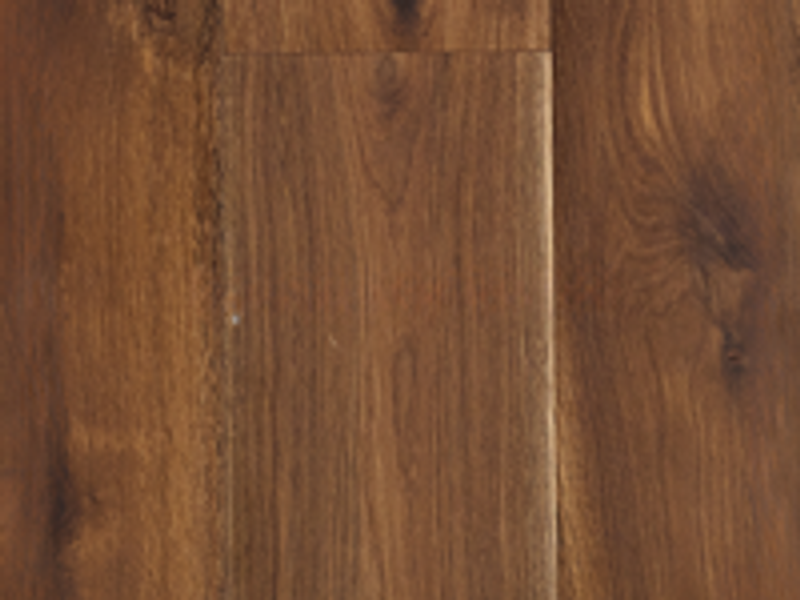
Exactly as it sounds, wide plank flooring features broad boards — typically six inches or wider — laid side by side to highlight the wood’s natural grain and texture. This pattern brings warmth and sophistication to spacious Manhattan lofts or brownstones, and it’s an ideal choice for those interested in reclaimed wood. Many reclaimed materials, such as old barn beams, can be milled into wide planks rich with character, adding depth and authenticity to your design.

Chevron
The chevron wood flooring pattern is a timeless statement of refinement. Created by cutting each board at an angle and aligning them to form a continuous “V” pattern, chevron floors deliver a stunning visual flow and a subtle 3D effect. This design not only adds a luxurious touch but also helps smaller rooms appear larger while enhancing structural strength.
Similar to herringbone, chevron’s beauty lies in its precision — the planks meet on a center line, forming seamless “V” shapes. This iconic pattern brings a sophisticated rhythm to modern penthouses and traditional interiors alike, creating a space that feels both bold and balanced.

Herringbone
Herringbone hardwood floors are one of the most historically significant and enduring patterns in the world of design. Formed by laying boards in a zigzag pattern at 90-degree angles, herringbone creates a sense of architectural elegance and depth. Used for centuries in European castles and Parisian apartments, it’s now a favorite among New York designers seeking timeless appeal.
While it shares visual similarities with chevron, herringbone’s square-edged boards meet directly, creating a symmetrical, interwoven design. This pattern suits larger rooms beautifully and offers exceptional dimensional stability thanks to its precise layout and craftsmanship.
Diagonals
Diagonal flooring patterns share characteristics with both herringbone and chevron designs. Installed at a 45º angle, they naturally draw the eye toward the corners of a room, expanding the visual space — a smart choice for narrow New York layouts. This sleek, subtle style adds interest without overwhelming the room, allowing your furniture, art, and architecture to shine.
Both chevron and herringbone make a strong statement, but diagonal installation offers a cleaner, more contemporary aesthetic. Understated yet impactful, it’s a design that quietly enhances the geometry of a space and deserves more recognition than it often receives.

Parquet
Parquet flooring is the definition of artistry in wood. Composed of multiple small pieces — sometimes even different species — parquet patterns form geometric mosaics that add texture, rhythm, and sophistication. From classic Versailles and Chantilly designs to modern bespoke layouts, parquet floors are custom works of craftsmanship, each one completely unique.
The possibilities are truly endless when it comes to parquet design. Whether you’re restoring a historic residence or designing a new luxury apartment, parquet flooring creates a one-of-a-kind atmosphere that reflects elegance, individuality, and timeless beauty.


Comments